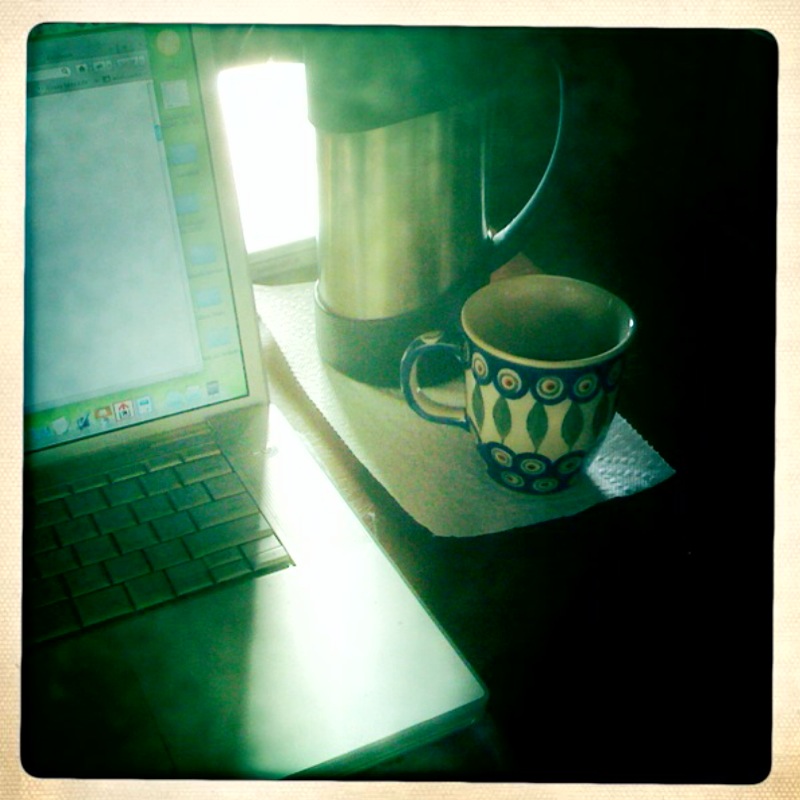
This is a shot early morning- working from my computer in Boston- where I am helping with a NOVA project called: Cracking the Genetic Code. This documentary airs March 28th. Can’t wait to see the final project.

This is a shot early morning- working from my computer in Boston- where I am helping with a NOVA project called: Cracking the Genetic Code. This documentary airs March 28th. Can’t wait to see the final project.
I have been following PressBooks for a while now and this is a beautiful option for publishing eBooks. They just published a manifesto on the future of publishing. Essays from the bleeding edge of publishing.
About this book:
The ground beneath the book publishing industry dramatically shifted in 2007, the year the Kindle and the iPhone debuted. Widespread consumer demand for these and other devices has brought the pace of digital change in book publishing from “it might happen sometime” to “it’s happening right now”—and it is happening faster than anyone predicted. Yet this is only a transitional phase. “Book: A Futurist’s Manifesto” is your guide to what comes next, when all books are truly digital, connected and ubiquitous.
Through this collection of essays from thought leaders and practitioners, you’ll become familiar with a wide range of developments occurring in the wake of this digital book shakeup:
* Reexamine your assumptions about the role of a book publisher, as we move from container to context
* Understand the kinds of things we can start doing with digital books
* Look inside some of the publishing projects that are at the bleeding edge of this digital revolution
* Learn how some digital books can evolve moment to moment, based on reader feedback.
With “Book: A Futurist’s Manifesto,” we at O’Reilly Media are actively practicing what we preach. Written and edited on PressBooks.com, a new web-based book-production system, this book also invites reader feedback throughout its development.
Read the chapters from Parts 1 (The Setup) and 2 (The Outlook), and tell us what you think. Part 3 (due out in Spring of 2012) will focus on living examples of publishing projects that are pushing embracing the new possibilities of digital.
This second release of this ebook — containing Parts 1 and 2 — is priced at $9.99; the final version of the book, including all three parts, will be priced higher. Buy this release now and you’ll receive all updates at no additional cost. Naturally, it will be available in multiple formats, including a print edition when the book is complete.
I’ve always been a lover of great infographics ever since being introduced to Edward Tufts. I think this stems from my life-long-love of maps. More and more data is being turned into shorthand to aid in advancing trends in all areas of our lives. These types of presentations really help us understand our world and help us make decisions.
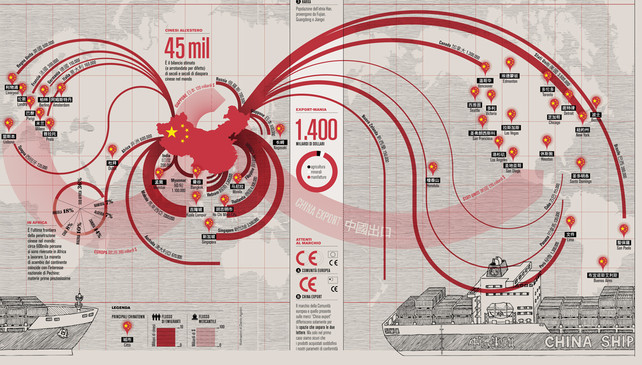
This one shows Chinese exports
Watch this brief video from Francesco Franchi, a master of information design. He talks about how you have to go beyond the picture and create an entirely different sort of experience that encourages critical thinking.
Francesco Franchi: On Visual Storytelling and New Languages in Journalism from Gestalten on Vimeo.
Sunday, The New York Times ran an article about Big Data. In it they talk about how “Data is in the driver’s seat. It’s there, it’s useful and it’s valuable, even hip.” And infographics can really help us decipher information so it becomes useful to us. For example, learning how pasta, not bacon makes us fat. Or how to make the perfect cocktail. These are really fun and useful ways infographics help us.
Corporate America is also catching on. Imagine how job aids and training could improve with some really juicy infographs. More and more companies are adopting ‘data-driven decision making’. Heck, even the government is getting in on the data.
What it all boils down to is the content. Then, placing the content into a design that really assists the viewer to ‘read’ the information in a ‘nonlinear manner’. Good infographics make the viewer think-they don’t interpret the information for the viewer.
18th birthdays come but once in a lifetime.
So, in a few steps, I created a little enchantment on our dining table…starting with the bare table, I added color and then layers…
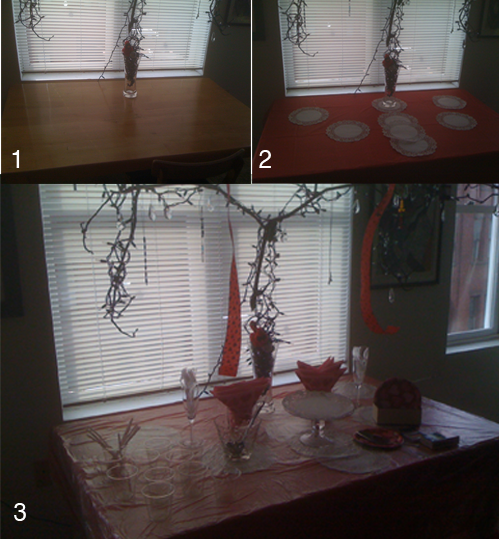
and finally….the cake.
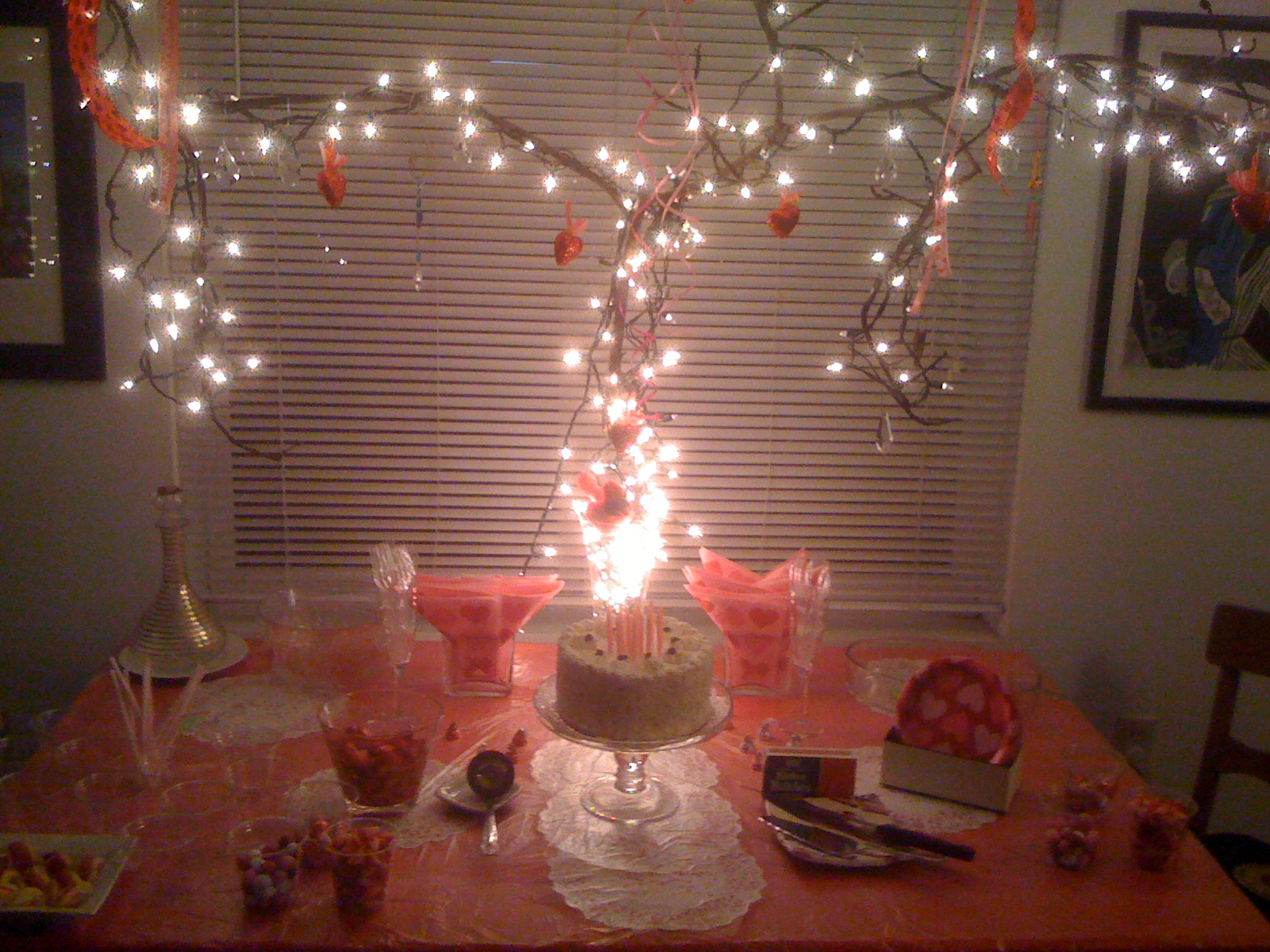
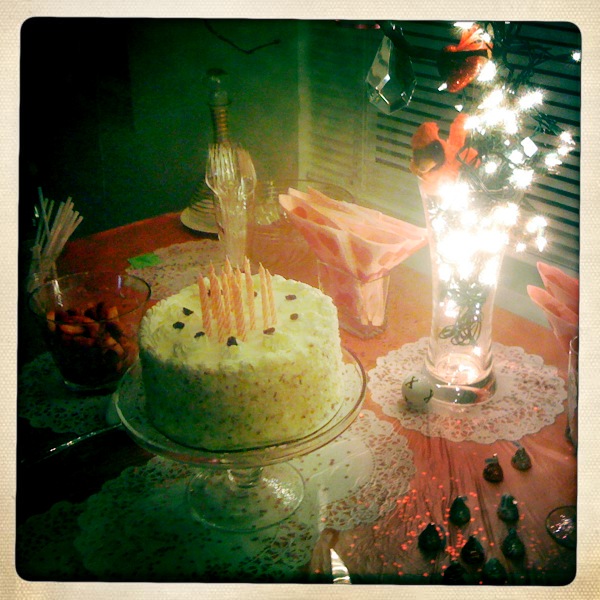
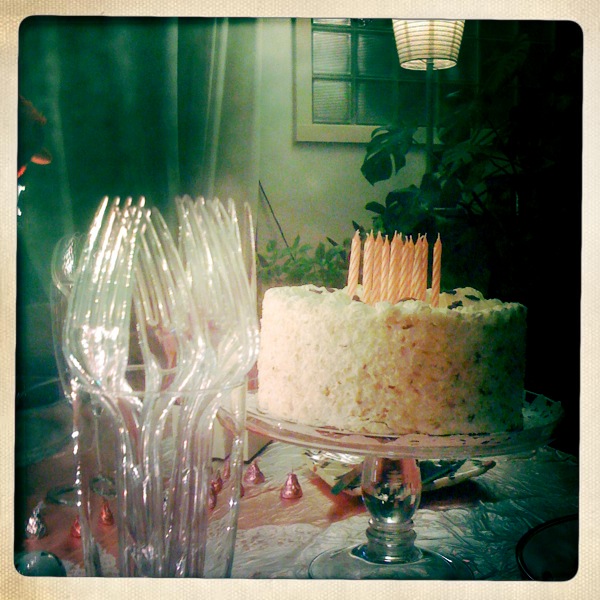
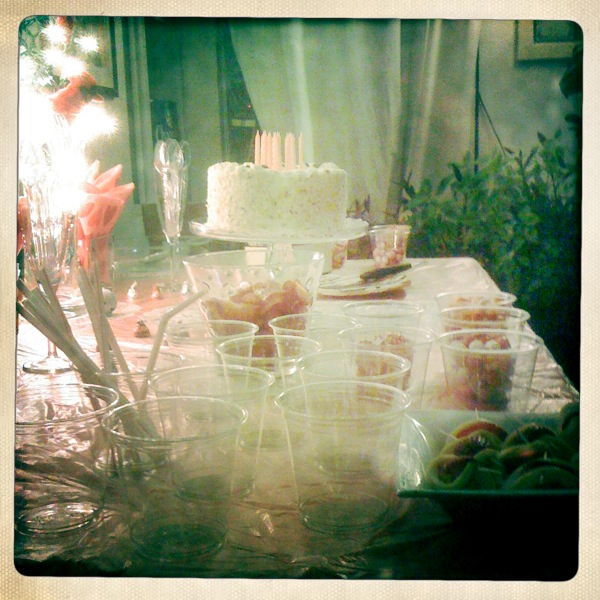
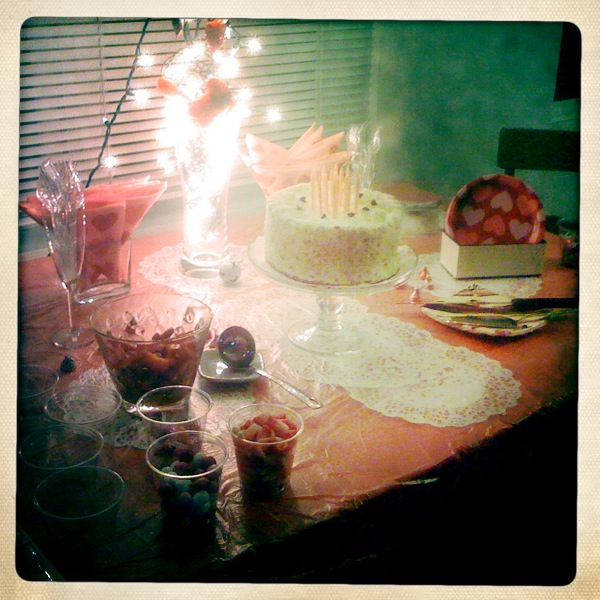
Done with the iPhone and Hipstmatic using the John S lens and Ina’s 1969 film.
In May 2011, Peter Thiel—PayPal co-founder, venture capitalist, and a member of Facebook’s board of directors—predicted that higher education would be the next bubble to burst. According to Thiel, higher education in America bears the same markings as the technology and housing bubbles that preceded it: unbridled investment, wildly overvalued assets, and a lower rate of return than in years past. Like all economic bubbles, Thiel argues that higher education is destined for disaster.
I am ALL for higher education and these infographics and video give us all pause to think through the costs of education. Online education can help trim costs and offer an excellent education.
Created By: Education News
I want my day to triumph like Madonna’s onstage performance at the Super Bowl 46 halftime.



